Search Engine Spider Simulator by Alaikas
In the world of digital marketing and search engine optimization (SEO), understanding how search engines interact with a website is extremely important. Every website owner, blogger, and digital marketer aims to rank higher on search engines like Google, Bing, and Yahoo. However, achieving that goal requires more than just creating good content—it requires ensuring that search engine bots can easily crawl, understand, and index your website.
This is where tools like the Search Engine Spider Simulator by Alaikas come into play. This powerful tool helps simulate how search engine spiders (also known as crawlers or bots) view a webpage. It allows users to analyze their website from the perspective of a search engine, helping them identify potential issues that may affect indexing and ranking.
What is Search Engine Spider Simulator by Alaikas?
The Search Engine Spider Simulator by Alaikas is an SEO tool designed to mimic the behavior of search engine crawlers. These crawlers are automated programs used by search engines to browse and index web pages. This tool displays how a search engine “sees” a webpage. Instead of viewing the visual layout, images, and design elements that humans see, it shows the raw content, including text, HTML, meta tags, and links.
By using this tool, website owners can understand whether their content is properly structured for search engines. It helps identify missing elements, hidden content, or technical issues that may prevent proper indexing.
How Search Engine Crawlers Work
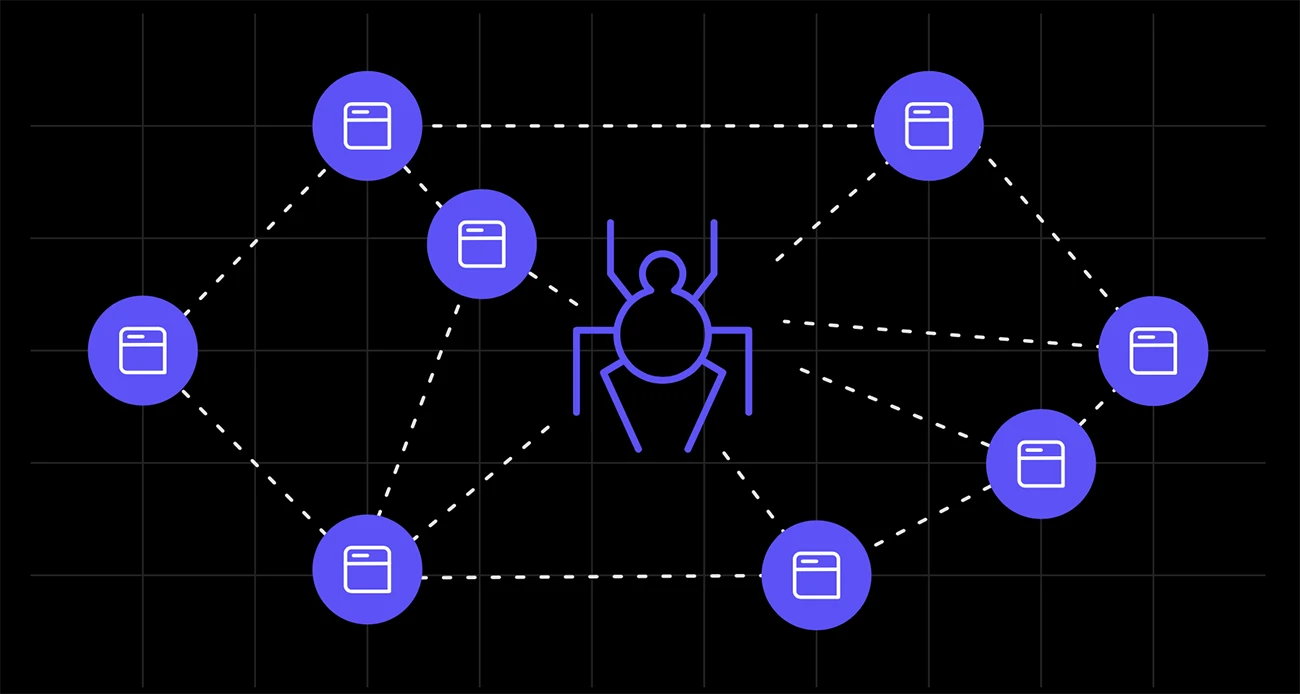
Before understanding the simulator, it is important to know how search engine crawlers work. Search engine bots visit websites by following links from one page to another. They analyze the content of each page, including text, headings, images, and metadata. This information is then stored in a search engine’s index.
When a user performs a search, the search engine retrieves relevant pages from its index and ranks them based on various factors such as relevance, quality, and authority. Crawlers cannot “see” websites like humans. They rely on code, text, and structured data. Therefore, if a website is not properly optimized, crawlers may not understand or index it correctly.
What Does the Simulator Do?
The Search Engine Spider Simulator by Alaikas helps bridge the gap between how humans see a website and how search engines interpret it. It extracts and displays the text content, meta tags, links, and other HTML elements of a webpage. This allows users to see exactly what a search engine crawler would see.
By analyzing this output, users can identify:
- Hidden or missing content
- Poorly structured HTML
- Missing meta descriptions or titles
- Broken links or navigation issues
- Overuse of scripts or images without text alternatives
This insight is crucial for improving SEO performance.
Key Features of Search Engine Spider Simulator by Alaikas
The tool comes with several useful features that make it valuable for SEO professionals and website owners.
1. Simulated Crawling View
The tool shows how search engines view your website by removing visual elements and displaying only the content that matters for indexing.
2. HTML Analysis
It provides a breakdown of the HTML structure, helping users understand how their site is built.
3. Meta Tag Visibility
Users can check whether their meta titles and descriptions are properly implemented and readable by search engines.
4. Content Extraction
The tool highlights the actual text content that search engines can read and index.
5. Link Analysis
It displays internal and external links, helping users ensure proper linking structure.
6. User-Friendly Interface
The tool is easy to use, even for beginners with no technical background.
Why This Tool is Important for SEO
SEO is all about making your website understandable and accessible to search engines. The Search Engine Spider Simulator by Alaikas plays a crucial role in this process. Search engines rely on structured data to rank websites. If your site is not properly structured, it may not rank well, even if your content is high quality.
This tool helps you:
- Identify SEO issues
- Improve content visibility
- Optimize page structure
- Ensure proper indexing
- Enhance search rankings
Without such tools, it becomes difficult to understand how search engines interpret your website.
How to Use the Search Engine Spider Simulator by Alaikas
Using the tool is simple and does not require any technical expertise.
- Open the tool on the Alaikas platform
- Enter the URL of the webpage you want to analyze
- Click the “Submit” or “Analyze” button
- Wait for the tool to process the page
- Review the simulated output
The results will show how search engines see your page, allowing you to identify and fix issues.
Benefits of Using the Tool
Using the Search Engine Spider Simulator by Alaikas provides several advantages.
Improves SEO Performance
By identifying issues, you can optimize your website for better rankings.
Enhances Content Visibility
Ensures that your content is readable and indexable by search engines.
Detects Technical Issues
Helps find broken links, missing tags, and other technical problems.
Saves Time
Provides quick insights without the need for manual code inspection.
Supports Better Content Strategy
Helps you create content that is optimized for both users and search engines.
Who Should Use This Tool?
This tool is beneficial for a wide range of users.
SEO Professionals can analyze and optimize websites for better rankings.
Web Developers can ensure their code is search engine friendly.
Content Creators can verify that their content is properly structured.
Digital Marketers can improve campaign performance by optimizing landing pages.
Website Owners can ensure their site is visible and accessible to search engines.
Common Issues Detected by the Tool
The simulator can help identify several common SEO issues.
- Missing or duplicate meta titles
- Missing meta descriptions
- Poor keyword usage
- Excessive use of images without alt text
- Broken internal or external links
- Hidden content that search engines cannot read
- Poor HTML structure
Identifying these issues is the first step toward fixing them and improving SEO performance.
Best Practices for SEO Optimization
To get the most out of the Search Engine Spider Simulator by Alaikas, follow these best practices:
- Use clear and descriptive meta titles
- Write unique and engaging meta descriptions
- Ensure proper use of headings (H1, H2, H3)
- Optimize images with alt text
- Avoid hidden or duplicate content
- Use internal linking effectively
- Keep URLs clean and readable
- Regularly audit your website
By combining these practices with the simulator, you can significantly improve your website’s performance.
Limitations of the Tool
While the tool is very useful, it does have some limitations. It may not fully replicate the behavior of all search engines. Each search engine has its own algorithms and ranking factors.
Additionally, it does not guarantee ranking improvements it only helps identify issues. Actual rankings depend on many factors, including backlinks, content quality, and competition. Despite these limitations, the tool remains a valuable asset for SEO analysis.
Future of Search Engine Simulation Tools
As technology continues to evolve, SEO tools are becoming more advanced. Artificial intelligence and machine learning are improving how these tools analyze websites.
In the future, tools like the Search Engine Spider Simulator by Alaikas may offer:
- Real-time SEO suggestions
- AI-powered optimization tips
- Deeper insights into user behavior
- Better integration with analytics platforms
These advancements will make SEO more efficient and accessible to everyone.
Conclusion
The Search Engine Spider Simulator by Alaikas is a powerful tool for anyone involved in website management, SEO, or digital marketing. It provides a clear view of how search engines interpret a website, helping users identify issues and improve performance.
By using this tool, website owners can ensure that their content is properly structured, accessible, and optimized for search engines. This leads to better indexing, higher rankings, and increased visibility.