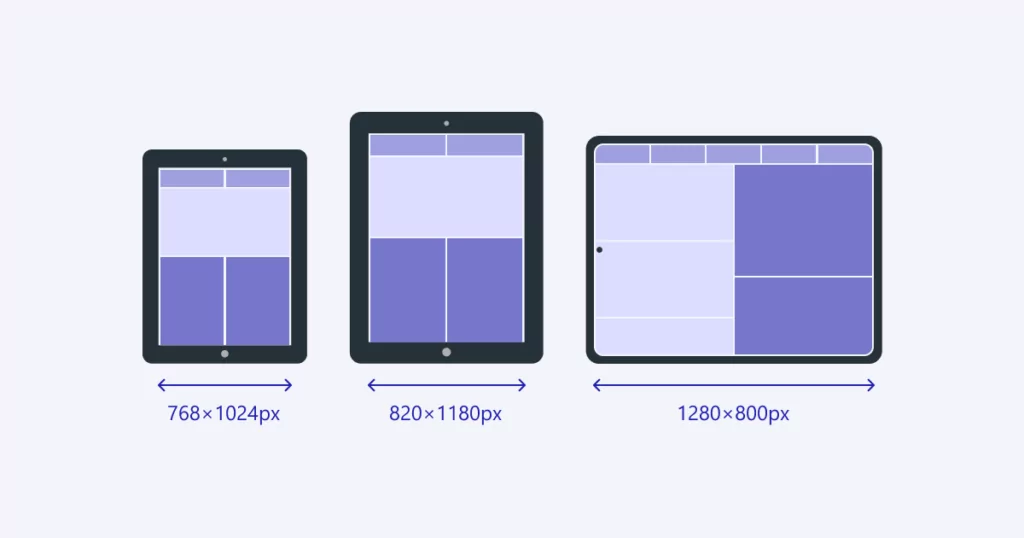
Webpage Screen Resolution Simulator by Alaikas
In today’s digital world, websites must look perfect on a wide range of devices, including smartphones, tablets, laptops, and large desktop monitors. With users accessing content from different screen sizes and resolutions, ensuring a consistent and responsive design has become a critical part of web development.
This is where the webpage screen resolution simulator by Alaikas comes into play. It is a powerful tool designed to help developers, designers, and website owners preview how their webpages appear across various screen sizes and resolutions. Instead of testing a website on multiple physical devices, this simulator provides a quick and efficient way to visualize responsiveness in one place.
What is Webpage Screen Resolution Simulator by Alaikas?
The webpage screen resolution simulator by Alaikas is an online tool that allows users to test and preview how a website or webpage appears on different screen resolutions. It simulates multiple devices and screen sizes, giving users a realistic view of their website’s layout and responsiveness.
This tool is particularly useful for identifying design issues, such as overlapping elements, broken layouts, or poor alignment. By simulating different screen sizes, users can ensure that their website delivers a consistent and user-friendly experience across all devices. Unlike traditional testing methods that require physical devices, this simulator offers a virtual environment where users can test multiple resolutions instantly.
Why Screen Resolution Testing is Important
Screen resolution plays a major role in how a website is displayed. Different devices have different resolutions, which can affect layout, font size, images, and overall design. If a website is not optimized for various screen sizes, it can result in poor user experience. For example, text may appear too small on mobile devices, or images may not scale properly on larger screens.
A well-optimized website ensures that users can easily navigate, read, and interact with content regardless of the device they are using. This improves engagement, reduces bounce rates, and increases conversions. Search engines also consider mobile-friendliness and responsiveness as ranking factors. This means that websites that perform well across different resolutions are more likely to rank higher in search results.
Key Features of Webpage Screen Resolution Simulator by Alaikas
The simulator comes with several useful features that make it an essential tool for developers and designers.
Multiple Screen Sizes
The tool allows users to test their website on various screen resolutions, including mobile, tablet, and desktop views.
Real-Time Preview
Users can instantly see how their webpage adapts to different screen sizes without delay.
User-Friendly Interface
The tool is simple and easy to use, making it suitable for beginners and professionals alike.
Responsive Testing
It helps ensure that websites are fully responsive and adaptable to all devices.
Accurate Simulation
Provides realistic previews that closely match actual device behavior.
Online Accessibility
Being a web-based tool, it can be accessed from anywhere without installation.
How the Simulator Works
The webpage screen resolution simulator by Alaikas operates in a simple and efficient way. First, the user inputs the URL of the webpage they want to test. The tool then loads the page and displays it within a simulated environment.
Users can switch between different screen resolutions, such as mobile, tablet, and desktop, to see how the layout changes. The simulator adjusts the dimensions of the display to match the selected resolution.
This allows users to observe how elements like text, images, buttons, and navigation menus respond to different screen sizes. By analyzing these previews, users can identify issues and make improvements to their website design.
Benefits of Using the Simulator
Using the webpage screen resolution simulator provides several advantages for website development and optimization.
Improved User Experience
Ensures that users have a smooth and consistent experience across all devices.
Time-Saving
Eliminates the need to test websites on multiple physical devices.
Cost-Effective
Reduces the need for expensive testing equipment.
Better Design Optimization
Helps identify and fix layout issues before publishing a website.
Enhanced Mobile Responsiveness
Ensures that websites are fully optimized for mobile users.
Improved SEO Performance
Search engines prefer responsive websites, which can lead to better rankings.
Importance of Responsive Design
Responsive design is the foundation of modern web development. It ensures that a website automatically adjusts its layout based on the screen size of the device being used. With the increasing use of mobile devices, having a responsive website is no longer optional—it is essential. A non-responsive website can lead to poor user experience and loss of potential visitors.
The webpage screen resolution simulator by Alaikas plays a key role in achieving responsive design. By testing different screen sizes, developers can ensure that their websites adapt seamlessly to any device.
Who Should Use This Tool?
The simulator is useful for a wide range of users involved in web development and design.
Web Developers can test and debug responsive layouts.
UI/UX Designers can visualize how designs appear on different screens.
Website Owners can ensure their site is user-friendly across all devices.
Digital Marketers can optimize landing pages for better conversions.
Students and Learners can understand the concept of responsive design more effectively.
Best Practices for Using the Simulator
To get the most out of the webpage screen resolution simulator by Alaikas, users should follow some best practices. Always test your website on multiple screen sizes, including mobile, tablet, and desktop. This ensures complete responsiveness.
Pay attention to how text, images, and navigation elements adjust across different resolutions. Make necessary design adjustments based on the simulation results. Test your website regularly, especially after making updates or changes. Combine this tool with real device testing for the best results.
Limitations of the Tool
While the simulator is highly useful, it does have some limitations. It may not perfectly replicate the behavior of all real devices, especially in terms of hardware performance and browser differences.
Some interactive features may not function exactly the same as they do on actual devices. Therefore, it is recommended to use this tool as a part of a broader testing strategy rather than relying on it exclusively.
Future of Web Testing Tools
As technology continues to evolve, web testing tools are becoming more advanced. Future versions of tools like the webpage screen resolution simulator by Alaikas may include enhanced features such as real-time collaboration, AI-based recommendations, and deeper performance analysis.
Artificial intelligence and machine learning will play a significant role in improving accuracy and providing smarter insights for developers. These advancements will make it even easier to create fully optimized and responsive websites.
Conclusion
The webpage screen resolution simulator by Alaikas is an essential tool for anyone involved in web development, design, or digital marketing. It provides a simple and effective way to test how websites appear on different screen sizes, ensuring a consistent and user-friendly experience.
In a world where users access websites from a variety of devices, responsive design has become a necessity. This tool helps developers and designers achieve that goal by identifying issues and guiding improvements.